




Living Beyond Rare: My Journey with Pseudomyxoma Peritonei (PMP) and Appendix Cancer Journey
(by Sheri Doss, PMP/Appendix Cancer Survivor)
Hearing the words, “You have cancer,” is devastating. Hearing, “You have a rare cancer,” can feel like being swallowed by a raging sea … sinking to the bottom, unseen and barely understood … while the rest of the world is consumed by its own crisis. That was my reality in March 2021, in the midst of the COVID-19 pandemic, when I was diagnosed with Pseudomyxoma Peritonei (PMP), a rare form of appendix cancer affecting approximately one in a million people each year.
Understanding the “One in a Million” Diagnosis
PMP typically begins in the appendix and spreads a jelly-like substance called mucin throughout the abdomen. Left untreated, it can slowly suffocate vital organs. Its symptoms—abdominal pain, bloating, bowel obstruction—are often mistaken for unrelated conditions. Many of us discover it by accident. There is no traditional cure. The primary treatment is an extensive, high-risk procedure known as HIPEC/CRS, a cytoreductive surgery combined with heated chemotherapy; sometimes called the “Mother of All Surgeries (MOAS).” Only a small number of highly specialized surgical oncologists in the country are experienced enough to perform it successfully.
A Stark Prognosis and a Path Forward
When I first met with a surgical oncologist, I was told I had three months to undergo the surgery or there would be nothing anyone could do. If I survived the procedure, I might have up to three years. It was one of those moments when you see the doctor’s lips moving, but you can’t hear anything beyond the timeline placed on your life. According to the National Institutes of Health, the five-year survival rate for PMP patients who undergo treatment ranges from 60–80%. I leaned into my faith and clung to that hope. Through the support of the PMP Pals Support Group, I was connected with a leading HIPEC/CRS surgeon whose expertise, confidence, and optimism changed the trajectory of my life. Today, I have surpassed my initial prognosis and am thriving in year five.
The Long Road of Recovery and Isolation
Survival, however, does not mean the journey is easy. Recovering from HIPEC/CRS takes years, not months. I faced extreme isolation, with only the company of my husband and prayers from family, friends and colleagues across the nation. Yet the isolation was not only because of the pandemic, but because protecting my fragile immune system meant limiting contact with the world. Even when I cautiously reentered society, everything felt different. The world had grown guarded and distant.
The Unique Invisibility of Rare Cancer
And then there is the isolation unique to rare cancer. I have supported friends and family members battling breast cancer for years—proudly wearing pink ribbons, participating in walks, attending banquets, and celebrating their survivorship. That community support is powerful and visible. But for PMP/Appendix Cancer and other rare cancers, awareness is limited. There are no stadiums glowing amber for Appendix Cancer Awareness Month in August. No widespread campaigns. No major fundraisers dedicated to advancing research for cancers that affect so few. At times, it can feel as though rare cancer patients are invisible, and that our lives do not matter.
Overcoming Medical Barriers and Finding Progress
Perhaps most concerning is the lack of awareness within parts of the medical community. Because PMP is so uncommon, many healthcare providers have little to no experience with it. I was warned that some physicians might hesitate or even refuse to treat me in the future because of the complexity of my surgical history. This, I have already experienced.
I have heard heartbreaking stories from fellow survivors who were in surgery, only to be stitched back up and told to spend what time they had left because the surgeon did not recognize the disease. I am deeply grateful that I was diagnosed correctly and referred in time to receive life-saving treatment.
While I continue to live with the long-term effects of the HIPEC/CRS surgery, I wake each day profoundly thankful. Gratitude has become my anchor. I have been given time—time to love, to serve, to advocate, and to raise awareness in my own limited way. Encouragingly, every physician who now treats me in addressing the aftermath of surgery is more informed about PMP and HIPEC/CRS than they were before. That is progress.
Finding Strength Within the ThriveWell Community
To my fellow survivors of all cancers, especially those who have found strength and support through ThriveWell Cancer Foundation, you understand what it means to fight, to endure, to rise. I am so grateful to Dr. Jean Holt for introducing me to the ThriveWell community! You know that survivorship is not just about statistics. It’s about courage in the face of uncertainty. It’s about choosing gratitude when the road is hard. ThriveWell’s programs like Diva&Dude and resources encourage us to live life fully with the time we are given.
Speaking Louder for Rare Cancer Awareness
Rare Disease Day on February 28th is more than a date on the calendar. It is a reminder that behind every statistic is a life—a family—a story. Awareness leads to earlier diagnosis. Education leads to better outcomes. Community leads to hope.
Today, I am committed to growing stronger through ThriveWell’s programs and resources, and increasing awareness of PMP/Appendix Cancer.
Rare does not mean insignificant.
Rare does not mean hopeless.
Rare means we must speak louder.
Awareness is the first step—and together, we can ensure that no one facing a rare cancer ever feels invisible again.
Join the Community: Are you or a loved one navigating a similar journey? You don’t have to do it alone. Learn more about the Diva&Dude program and discover how you can THRIVE with the support of the ThriveWell community.
For Those Wanting to Support our Mission
Support the Journey: Your generosity helps survivors like Sherri access life-changing programs like Diva&Dude. Donate today to help more members of our community THRIVE after a diagnosis.
-
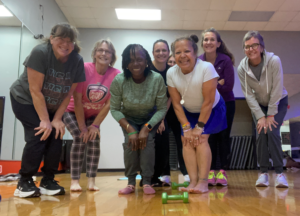
- Sheri Doss with her Diva “family”
-
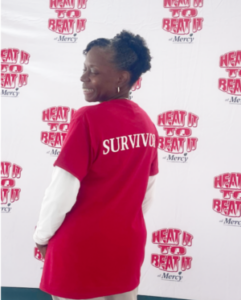
- Sheri Doss
-
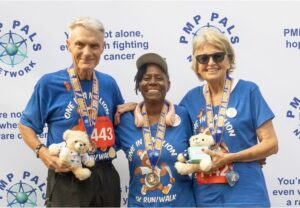
- Sheri Doss with the Holts
-
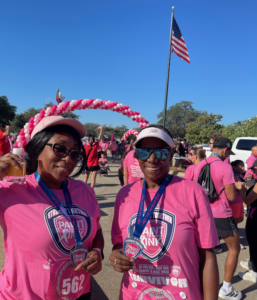
- Sheri Doss at Paint the Parkway Pink 5K